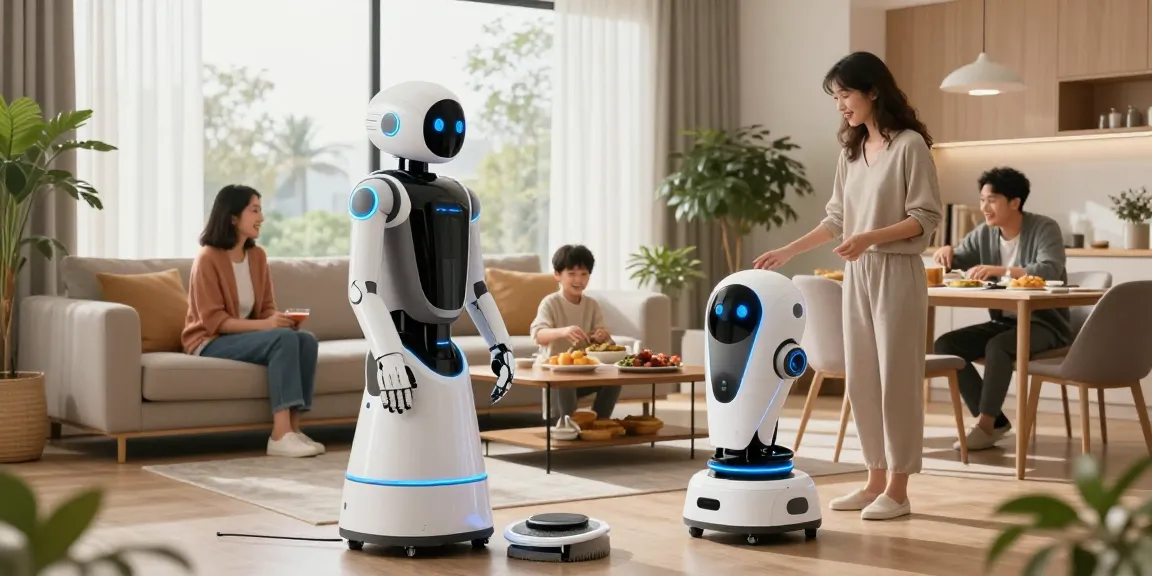
The Rise of Home Robots in 2026
With technological advancements accelerating rapidly, 2026 is poised to be a landmark year for home robotics. The rise of sophisticated home robots promises to transform our living spaces, making them more efficient and enjoyable. As these devices evolve, they are increasingly capable of performing a variety of tasks, from cleaning and cooking to providing companionship and assistance. In this article, we will explore the current state of home robots, key features to look for, and how these innovations will enhance our daily lives. When considering the future landscape, resources like home robot 2026 offer comprehensive insights into what’s next for this exciting field.
What is a Home Robot?
A home robot is a machine designed to assist with household tasks, ranging from mundane chores to more complex activities. These robots often leverage artificial intelligence (AI) and advanced sensors to navigate and interact with their environment. They can be programmed to perform specific tasks or operate autonomously, making them invaluable assets in modern homes. With the integration of smart technology, home robots are becoming part of the broader smart home ecosystem, enhancing the functionality of other connected devices.
Key Features of Home Robots in 2026
In 2026, home robots will feature several advanced capabilities that set them apart from earlier models. Here are some key features to expect:
- Artificial Intelligence: Enhanced AI algorithms will allow robots to learn from their environment, adapting to the habits and preferences of their users.
- Multi-Functionality: Many robots will be designed to handle multiple tasks, such as cleaning, cooking, and even companionship, reducing the need for several devices.
- Voice Activation: Voice recognition technology will enable users to control their robots seamlessly, making it easier to integrate them into everyday life.
- Smart Home Integration: Home robots will connect with other smart devices, allowing for synchronized operations and enhanced automation.
- Advanced Sensors: Improved sensors will enable more accurate navigation and obstacle avoidance, allowing robots to work efficiently in various home environments.
How Home Robots Enhance Daily Life
The role of home robots extends beyond mere utility; they can significantly enhance our quality of life. Here are some ways these devices contribute to a better home experience:
- Time-Saving: Robots can take over time-consuming tasks, allowing homeowners to focus on more meaningful activities, such as spending time with family or pursuing hobbies.
- Improved Efficiency: With their ability to work autonomously, robots can perform chores more efficiently than humans, ensuring tasks are done consistently and thoroughly.
- Increased Accessibility: For individuals with disabilities or mobility challenges, home robots can provide valuable assistance, helping them maintain independence in their daily routines.
- Enhanced Safety: Robots equipped with monitoring technologies can alert homeowners to potential hazards, such as gas leaks or intruders, thereby enhancing home security.
Top Home Robots to Watch in 2026
As we look forward to 2026, several promising home robots are set to make their mark in the market. These devices exemplify the cutting-edge technology and innovative design trends that will shape the future of home robotics.
NEO Home Robot: Overview and Capabilities
The NEO home robot is anticipated to be one of the standout products in 2026, blending advanced robotics with user-friendly design. NEO is designed to handle a variety of household tasks, from cleaning and cooking to personal assistance. Its AI engine enables it to adapt to user preferences and learn household routines, which makes it an excellent companion for busy families. Additionally, NEO's integration with smart home systems allows it to coordinate with other devices, enhancing overall home automation.
LG CLOiD: A Game Changer in Household Chores
LG's CLOiD robot stands out for its multifaceted capabilities, which aim to minimize labor in the home. This innovative device can perform chores such as cooking, laundry, and even delivering items from one room to another. At CES 2026, LG showcased CLOiD's impressive features, including its ability to engage with users through a conversational AI interface. This makes it not only a useful tool but also a companion that can partake in family activities, enhancing the emotional connection within the home.
Comparison of Leading Models: Functionality and Price
As the market for home robots expands, consumers will have a range of options to choose from. Here’s a quick comparison of some leading models expected in 2026:
ModelFunctionalityEstimated PriceNEOMulti-function (cleaning, cooking, assistance)$20,000LG CLOiDHousehold chores, delivery, interaction$15,000Boston Dynamics SpotNavigation, surveillance, assistance$74,500iRobot Roomba 9Vacuum cleaning, scheduling$1,200
How to Select the Right Home Robot
Choosing the right home robot can be a daunting task given the variety of options available. Here are some crucial considerations to help guide your decision:
Assessing Your Household Needs
Before you make a purchase, it’s essential to evaluate your household needs. Consider the tasks that could be automated. Do you need assistance with cleaning, cooking, or companionship? Understanding your priorities will help you select a robot that addresses your specific requirements.
Budget Considerations for Home Robots
Home robots can vary widely in price, from several hundred to tens of thousands of dollars. Establishing a budget upfront will help narrow down your options and prevent overspending. While some high-end models offer extensive capabilities, less expensive models can still deliver significant benefits for basic tasks.
Evaluating Performance Metrics and Reviews
Research is vital when selecting a home robot. Look for performance metrics such as battery life, cleaning efficiency, and ease of use. Reading user reviews can provide insight into the robot's reliability and performance in real-world scenarios.
Integrating Home Robots into Your Smart Home Ecosystem
To maximize the benefits of a home robot, integration into your existing smart home ecosystem is crucial. Here’s how you can achieve seamless connectivity and functionality:
Connecting Robots with Other Smart Devices
Ensure that your chosen robot is compatible with your other smart home devices, such as security systems, smart speakers, and thermostats. This connectivity allows for coordinated operations, enabling a comprehensive automation strategy throughout your home.
Optimizing Performance Through Software Updates
Many home robots receive updates that enhance their functionality. Regularly check for software updates and install them to ensure your robot operates at peak performance. These updates can introduce new features and improve existing capabilities, making your investment more valuable over time.
Security Considerations for Home Automation
As with any connected device, security is a paramount concern. Implement strong passwords and regularly update your robot’s software to protect your home from potential vulnerabilities. Research the manufacturer’s security protocols and ensure they follow best practices for data protection.
The Future of Home Robotics Beyond 2026
The advancements in home robotics extend well beyond the next few years. As technology continues to evolve, we can expect to see even more sophisticated devices that can further mitigate daily household tasks.
Emerging Trends in Robotics Technology
One of the most significant trends in robotics is the move towards collaborative robots that can work alongside humans. These robots will not only perform tasks but can also learn from human interaction, adapting to provide better assistance over time. Additionally, advancements in AI are expected to lead to more intelligent and intuitive devices that understand context and user preferences.
Potential Challenges and Solutions in Home Robotics
Despite the excitement surrounding home robotics, challenges remain. Issues such as high costs, safety concerns, and the complexity of interactions need addressing. Manufacturers are continuously working on solutions to these problems, aiming to make robots more affordable, safer, and user-friendly.
Predictions for Home Robots in the Next Decade
Looking ahead, we predict that home robots will be ubiquitous, offering not just practical assistance but also emotional support. With continued advancements in AI and machine learning, future robots may become capable of understanding and responding to human emotions, creating deeper connections with their users. This evolution will redefine the term “smart home” as we integrate robots into the very fabric of our daily lives.