Understanding the Festool Knife: Features and Benefits
The festool knife is not just another utility knife; it embodies the perfect blend of craftsmanship, functionality, and ergonomic design. With a legacy rooted in precision woodworking, Festool tools are revered for their durability and innovative features. This article delves deep into the unique attributes of the Festool knife, exploring what makes it a must-have tool for woodworkers and hobbyists alike.
What Makes the Festool Knife Unique?
At the heart of the Festool knife's uniqueness is its precision engineering. Designed for both professional woodworkers and DIYers, the knife boasts a sleek design that allows for easy handling and storage. The most prominent feature is its robust blade, which measures 8.5 cm in length and is crafted from high-quality 3Cr13 stainless steel, known for its excellent edge retention and resistance to wear. The knife also incorporates a safety lock mechanism to prevent accidental injuries during use, making it particularly appealing for those working in busy environments.
Key Materials Used in the Festool Knife
Materials play a crucial role in determining the effectiveness and longevity of woodworking tools. The Festool knife’s handle is made from premium olive wood, offering not only a beautiful aesthetic but also a natural grip that increases comfort during prolonged use. Combined with the stainless steel blade, the materials provide a balance of lightness—only 180 grams—and durability, ensuring that this tool can handle the rigors of any woodworking task.
Top Benefits for Woodworkers
- Precision Cutting: The knife’s sharp blade is engineered for clean, accurate cuts, ideal for tasks such as trimming, scoring, or opening materials.
- Ergonomic Design: The olive wood handle is shaped to fit comfortably in the hand, reducing fatigue and enhancing control.
- Versatility: Suitable for various applications from cabinetry to model making, the Festool knife is a versatile addition to any toolkit.
- Safety Features: The integrated safety lock ensures that the blade remains securely in place during use and storage, increasing user confidence.
Choosing the Right Festool Knife for Your Projects
With several options available, selecting the right Festool knife can seem daunting. However, understanding your woodworking needs is the first step towards making an informed decision.
Identifying Your Woodworking Needs
Before purchasing a Festool knife, consider the specific types of projects you intend to undertake. Are you primarily focused on detailed finish work, or do you require a tool for heavier-duty tasks? Knowing your woodworking style will help narrow down the options. A versatile knife like the Festool knife is suitable for a wide range of activities, but some models offer unique features tailored for specific tasks.
Comparing Different Models of Festool Knives
Festool offers multiple knife models, each designed with unique applications in mind. For example, while the Festool KN-FT1 is excellent for everyday utility tasks, other models may focus on specialized uses such as precise carving or heavy-duty cutting. Comparing specifications, consumer reviews, and features will guide you to the best model for your specific requirements.
How to Select the Best Festool Knife for Beginners
For beginners entering the woodworking realm, starting with a simplified tool is essential. The Festool knife is designed to be intuitive, making it easy for novices to grasp its functionalities quickly. Look for models that offer ergonomic features and safety mechanisms, as these will enhance your learning experience while minimizing risks.
Techniques for Using a Festool Knife Effectively
To maximize the utility of your Festool knife, mastering the techniques for usage is imperative. Here are several best practices that ensure optimal performance and safety.
Best Practices for Wood Cutting and Shaping
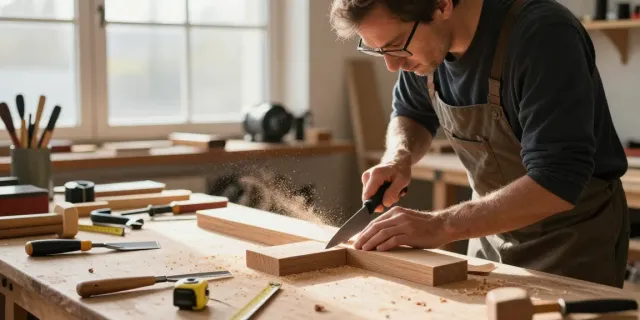
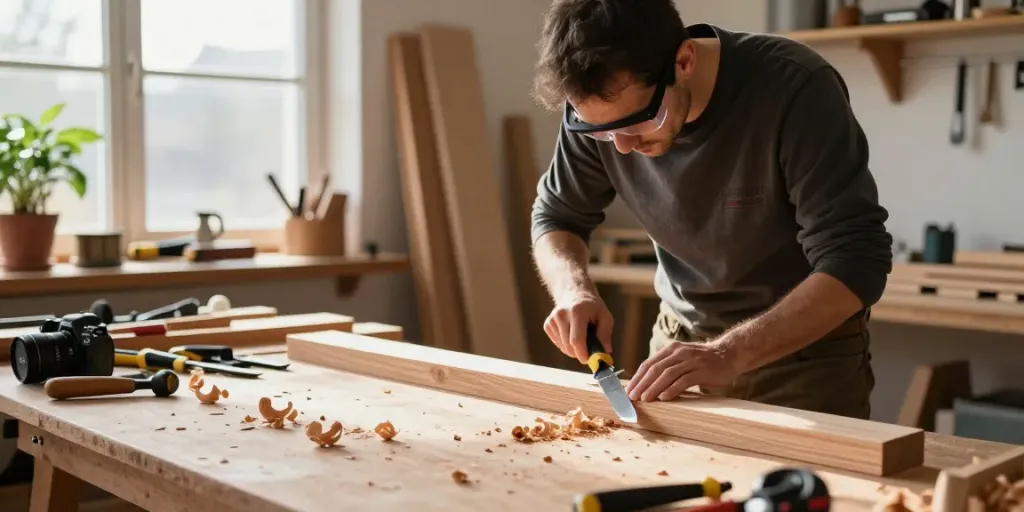
When using a Festool knife for cutting and shaping wood, always ensure the material is securely positioned. Using a cutting mat can protect both the material and the blade. Make smooth, steady cuts rather than forcing the knife through the material, which can lead to accidents and uneven edges. Additionally, consider the angle of your cuts; a proper angle reduces the risk of the knife slipping.
Avoiding Common Mistakes When Using a Festool Knife
Common mistakes, such as applying excessive pressure or using the wrong cutting angle, can lead to subpar results and even injuries. Always use the knife for its intended purpose and avoid prying or twisting movements, which can damage the blade. Regularly inspect your knife for wear and maintain it properly to ensure it remains in optimal condition.
Maintaining Your Festool Knife for Longevity
Proper maintenance is essential for extending the life of your Festool knife. After each use, gently clean the blade and handle to remove any debris. Store the knife in a dry place, ideally in a sheath or closed position to prevent accidental damage. Regularly check the blade for dullness and sharpen it as needed to maintain cutting efficiency.
Incorporating the Festool Knife Into Your Workflows
Integrating the Festool knife with other tools can significantly enhance your overall woodworking workflow. Here are some tips on how to do so effectively.
Integrating the Knife with Other Festool Tools
Festool products are designed to work in harmony with one another. Consider how the Festool knife complements other tools in your collection, such as saws or routers. Utilizing these tools in tandem can streamline your workflows and improve precision across tasks.
Workflow Tips to Enhance Productivity
To enhance productivity, organize your workspace with easy access to your Festool knife and other essential tools. Having a designated spot for your knife ensures you can quickly grab it when needed. Furthermore, practicing proper time management techniques, such as breaking down projects into smaller tasks, can help maintain focus and prevent overwhelm.
Real-World Applications in Woodworking Projects
The versatility of the Festool knife allows it to be used in various woodworking projects, from constructing furniture to intricate woodwork. Experiment with different techniques to fully explore the knife's capabilities. Documenting your projects can also provide insights into how the knife can be optimized for specific tasks.
Future Trends in Woodworking: The Role of Festool Knives
As the woodworking industry evolves, so too does the technology behind tools like the Festool knife. Here’s what the future may hold.
Innovations in Festool Knife Technology
Future iterations of the Festool knife are likely to incorporate advanced materials and ergonomic designs focused on user comfort and safety. Innovations such as self-sharpening blades or integrated smart technology that tracks your cutting patterns could soon revolutionize how woodworkers approach their projects.
Predictions for the Future of Woodworking Tools
With the continuous advancement in technology, we may see more hybrid tools that combine multiple functionalities. This shift will cater to the growing demand for efficiency and versatility in woodworking tools, making the Festool knife an integral component of modern woodworking practices.
How Festool is Shaping Woodworking's Future
Festool’s commitment to quality and innovation positions it at the forefront of the woodworking tool industry. For more information, Mister Worker offers valuable insights. As trends shift towards sustainability and efficiency, the company’s focus on creating durable, reliable tools will continue to set benchmarks in the market. By adapting to the evolving needs of woodworkers, Festool is not just shaping the present but also the future of the craft.